
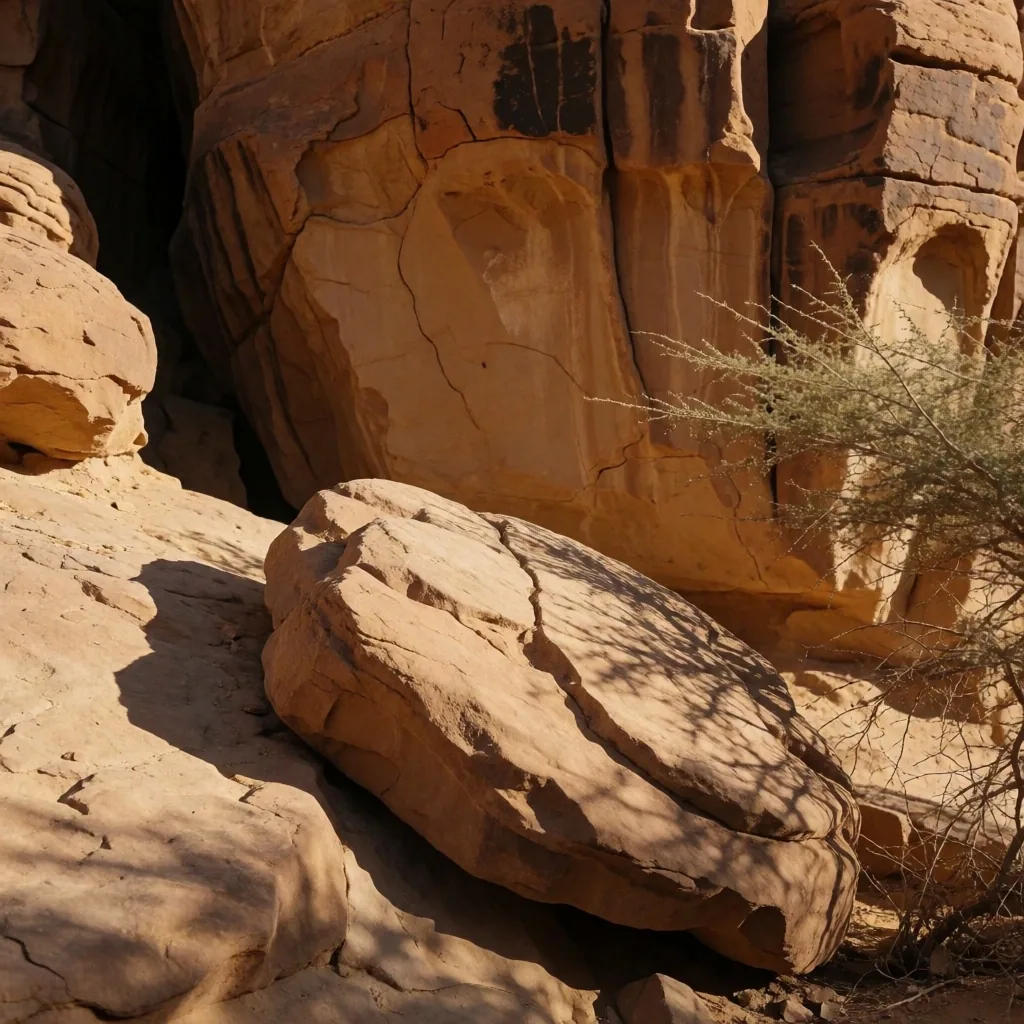
Navigating the Environment with Caution and Respect
Exploring the natural world in this region is a rewarding experience, but it requires a high level of situational awareness. The combination of high temperatures, remote locations, and unique wildlife means that safety must be a primary consideration for every traveller into Egypt. This page provides practical advice on how to interact with the landscape responsibly. Our egypt travelling guides emphasize prevention and preparation as the keys to a successful and incident-free journey through the valleys and ridges.
Heat and Hydration
High temperatures are the most consistent risk. Carry enough water, rest often, and stay out of the midday sun whenever the ground offers shade.
Fauna and Distance
Scorpions and reptiles shelter in rocky crevices and sandy burrows. Keep a respectful distance, check footwear, and avoid reaching into spaces you cannot see clearly.
Route and Bearing
The desert can look deceptively uniform. Inform someone of your route, use landmarks, and avoid venturing into remote barrens alone.
Heat Management and Sunstroke Prevention
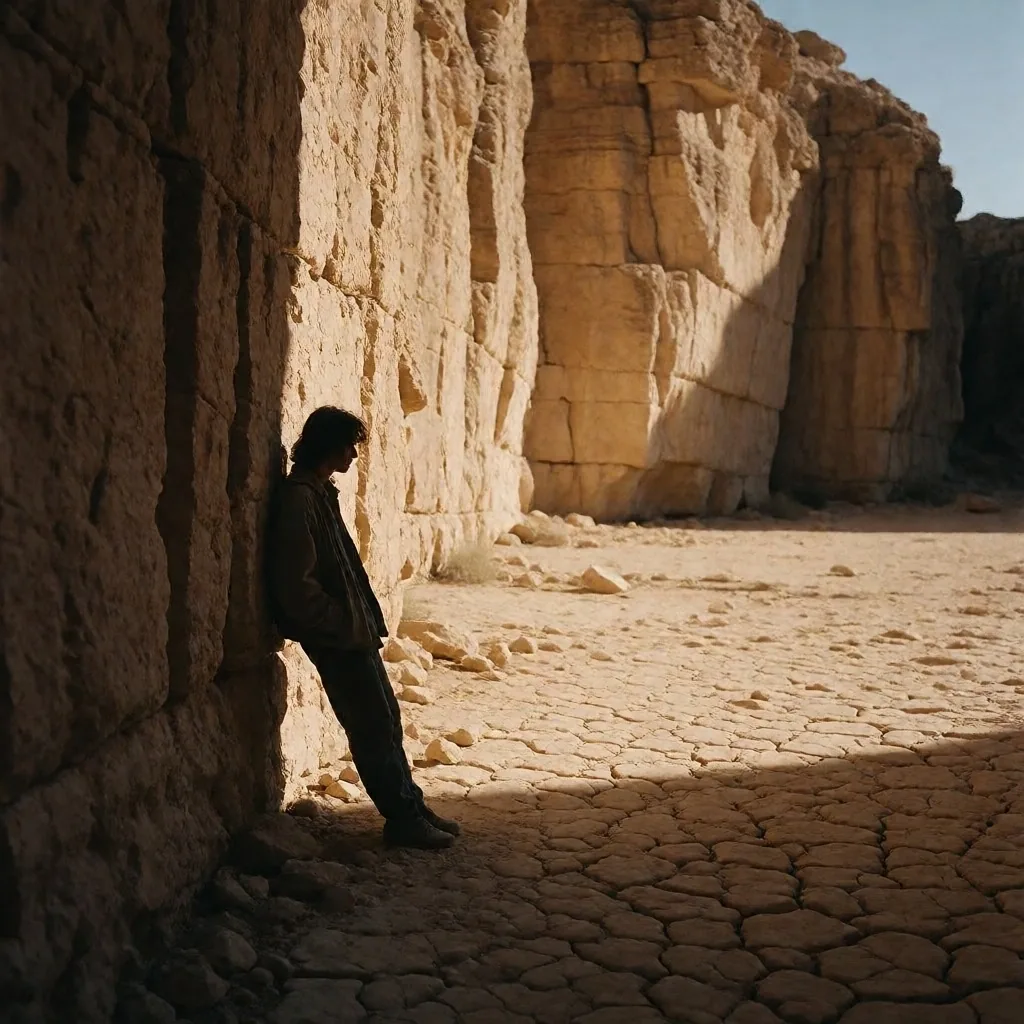
The most significant risk to visitors is heat-related illness. It is vital to recognize the early signs of exhaustion, such as dizziness, headache, or excessive sweating. Staying hydrated is not enough; you must also seek shade during the peak hours of 12:00 PM to 4:00 PM. Rest periods should be frequent, and physical exertion should be limited when temperatures exceed comfortable levels.
Begin drinking water before you feel thirsty, and continue in small, steady sips rather than large amounts at once. Loose, light-colored clothing that covers the skin offers better protection than exposed skin under direct sun. A wide-brimmed hat and a cloth worn around the neck, dampened when possible, can make a measurable difference in how your body handles sustained heat. If you notice confusion, nausea, or a sudden cessation of sweating, treat it as a serious warning: find shade, cool the skin, and reduce activity immediately.
Find shade and reduce exertion during these hours.
Stop, rest in shade, and cool the skin immediately.
Respecting Local Wildlife
While many animals in the region are elusive, some can be hazardous if disturbed. Awareness and distance protect both you and the fauna.
Scorpions and Reptiles
Scorpions and certain reptiles inhabit rocky crevices and sandy burrows. They tend to avoid the heat of the day and shelter in cool, shaded spaces. Always check your footwear before putting it on, shake out clothing that has been on the ground overnight, and avoid reaching into dark spaces where you cannot see. When lifting rocks or moving debris, use a stick rather than your hands and give any creature a clear path to retreat.
A Respectful Distance
Maintaining a respectful distance from all creatures ensures both your safety and the wellbeing of the local fauna. Do not attempt to feed, handle, or photograph animals at close range, even if they appear slow or docile. Many species in arid environments conserve energy during the day and can move suddenly when startled. If you encounter a snake on a path, stop, give it room, and wait for it to move away rather than trying to pass quickly.
Water Safety and Hygiene
When near the river or coastal areas, it is important to be aware of water quality and currents. Avoid swimming in stagnant pools or unfamiliar stretches of the river, as they may harbor parasites or have hidden undertows. Even calm-looking water can conceal strong subsurface flow, and shallower sections can drop off suddenly.
For drinking, always rely on treated or bottled sources to avoid gastrointestinal issues. Hygiene is paramount, so frequent hand washing or the use of sanitizers is strongly encouraged. Before wading or swimming in any natural body of water, check with local sources about current conditions, and never assume that an area is safe simply because others are present.
Treated or bottled water only. Avoid tap water and untreated wells.
Skip stagnant pools and unfamiliar river stretches. Check local conditions.
Wash or sanitize frequently, especially before eating or handling food.
Navigation in Remote Areas
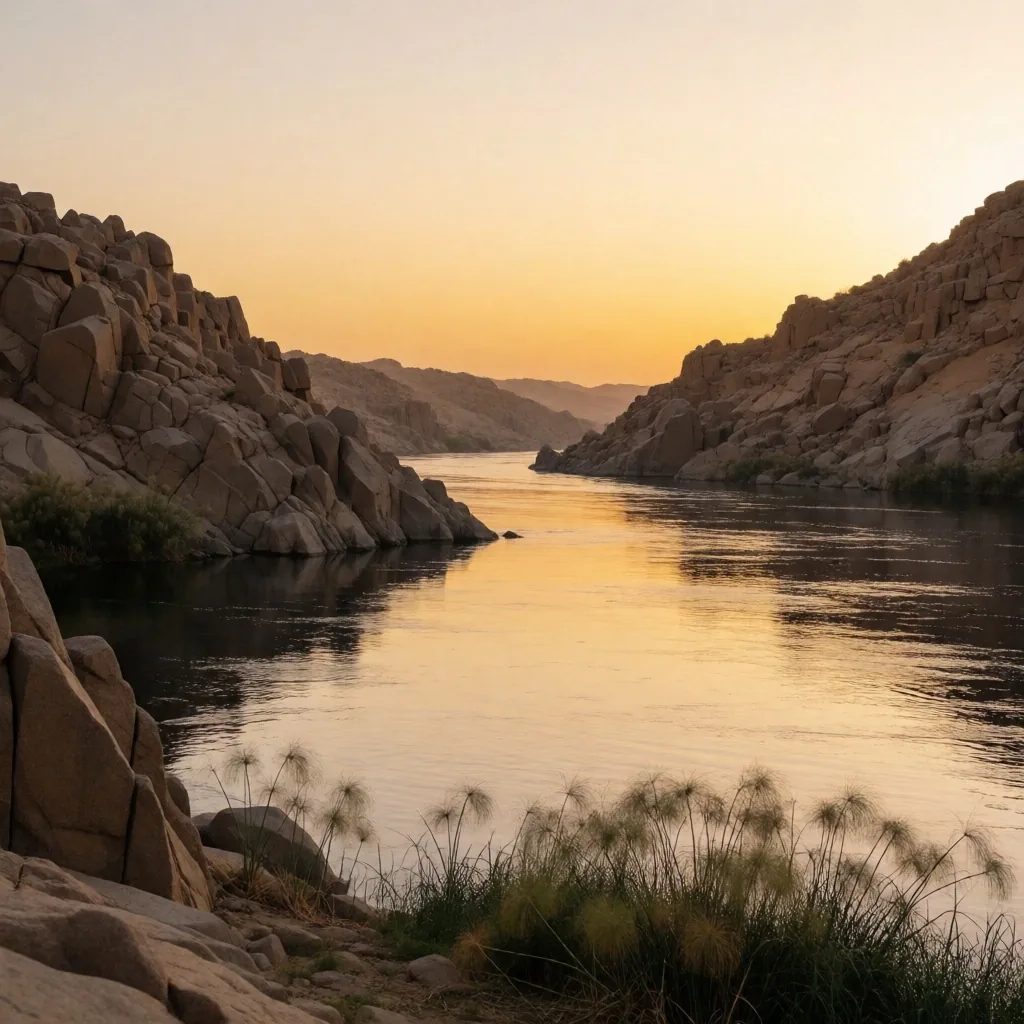
The desert landscape can be deceptively uniform, making it easy to lose one's way. If you are venturing away from marked paths, always inform someone of your planned route and expected return time. Use visible landmarks to maintain your bearing and avoid traveling alone in the deep barrens. In the event of a dust storm, stay in one place and cover your face until visibility improves.
Landmarks that seem obvious in the morning can disappear in afternoon haze, so note several reference points along the way rather than relying on a single feature. A simple paper map and a compass remain reliable when batteries fail or screens become unreadable in glare. Carry more water than you think you will need, and turn back when you have used half of your supply.
Tell someone your route and expected return. Note your landmarks. Carry a paper map and compass alongside any digital tool.
Stay in one place. Cover your face with cloth. Wait for visibility to return before moving again, even if the storm seems brief.
Stop and conserve energy and water. Use a mirror, whistle, or bright cloth to signal. Do not walk long distances in heat unless you are certain of the direction.
Environmental Ethics
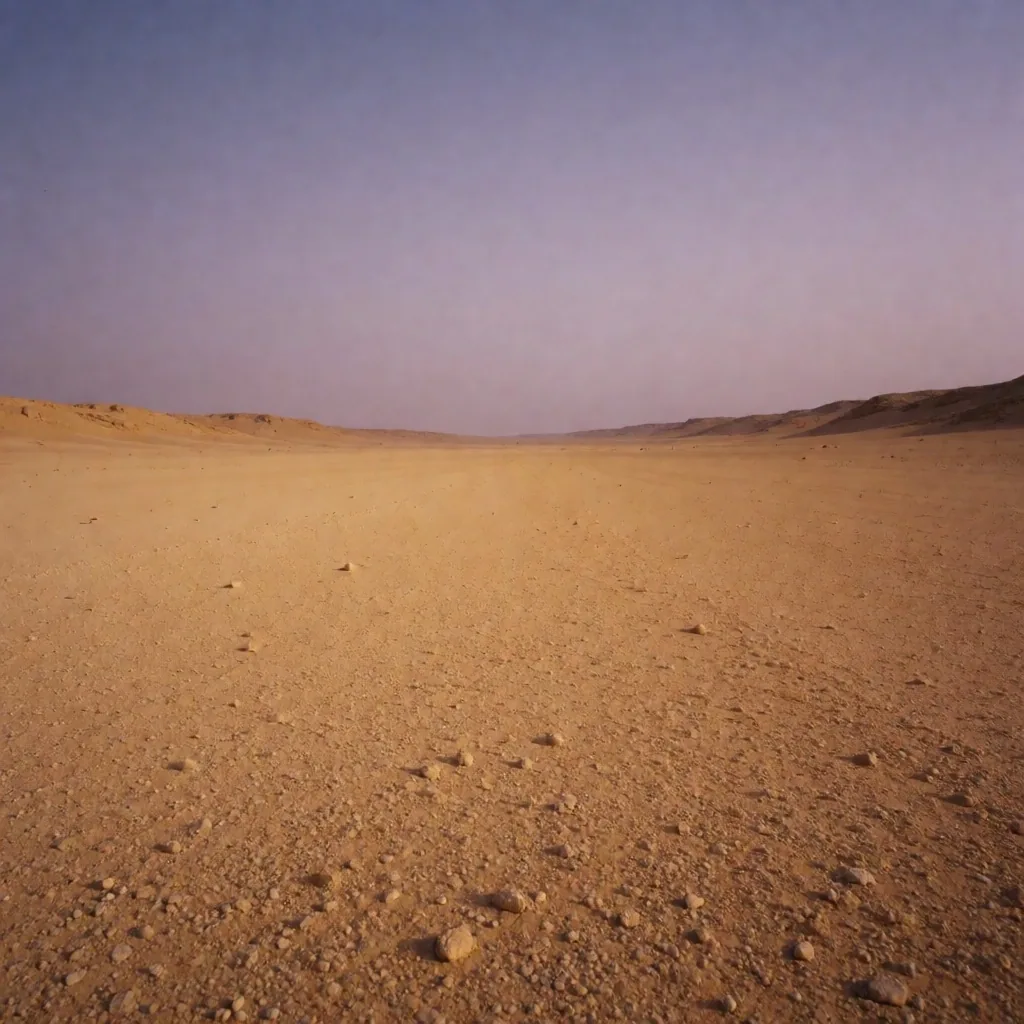
The principle of taking only pictures and leaving only footprints is especially important here. The dry climate means that organic waste decomposes very slowly, and non-organic litter can last for decades. Avoid removing stones, plants, or any natural artifacts from their original locations. Preserving the pristine nature of the ridges and plains is a collective responsibility for all who visit.
Carry out everything you carry in, including fruit peels and food scraps, which do not break down at the rate they would in a humid climate. When resting, choose durable surfaces like rock or established flat ground rather than trampling fragile desert crust, which can take generations to recover. Small adjustments in habit add up to lasting protection for these landscapes.
- Take only photographs. Leave stones, fossils, and plants where they lie.
- Pack out all waste, including organic matter that decomposes slowly in arid conditions.
- Rest on rock or bare ground to avoid damaging fragile desert crust.
Interacting with Local Communities
While this guide focuses on nature, you will inevitably encounter local residents. Respecting local customs regarding dress and photography is essential for a positive experience. Always ask for permission before capturing images of people or private property. Understanding that you are a guest in their environment fosters mutual respect and enhances the quality of your journey.
Emergency Preparedness
Before setting out, familiarize yourself with the locations of the nearest medical facilities or communication hubs. Carry a mobile phone with a local SIM card if possible, though be aware that coverage may be spotty in deep valleys. A whistle or a small mirror can be used as signaling devices in an emergency. Being prepared for the unexpected is the hallmark of a responsible traveller into Egypt.
Flash Flood Awareness
In mountainous areas, sudden rainfall, even far away, can cause flash floods in dry valleys. These events are rare but extremely dangerous as water moves with immense speed and force. If the sky turns dark over the mountains, avoid low-lying areas and move to higher ground immediately. Never set up a camp or a rest station in the center of a dry wash.
A clear sky above you does not mean the ground is safe. Rain that falls on distant highlands can arrive in your valley as a wall of water hours later, often carrying debris and moving faster than a person can run. Learn to read the terrain for natural drainage channels, and treat any dry riverbed as a potential conduit for floodwater, especially during seasonal weather shifts.
- Darkening skies over distant mountains, even when your immediate area is clear.
- A sudden change in air temperature or a shift in wind direction.
- A low rumbling sound or the sight of discolored, debris-filled water arriving in a dry channel.
Questions from the Field
Is it safe to wander into the desert at night?
AnswerIt is generally discouraged unless you are with an experienced local guide. The drop in temperature and the lack of visibility make navigation difficult and increase the risk of encountering nocturnal wildlife.
What should I do if I get lost?
AnswerStay in one place to conserve energy and water. Use signaling tools like a mirror or a bright cloth to attract attention. Do not attempt to walk long distances in the heat unless you are certain of the direction.
Prepare and stay aware throughout your journey
Pair these safety notes with our egypt travelling guides to plan around the terrain and climate. Additional notes on packing, regional conditions, and methodology are available in the full archive.
13 El-Mansour Mohammed, Abu Al Feda, Zamalek, Cairo Governorate 11211, Egypt
Phone: +20227377969
Email: [email protected]