Our Commitment to Unbiased Regional Information
Egyptian Journey Hub is an independent, non-commercial project created to provide clear and factual guidance for those exploring the natural landscapes of the region. Our mission is to offer a resource that is free from the influence of commercial interests, focusing solely on the beauty and challenges of the environment.
No corporate sponsors
We produce every article without backing from corporate sponsors or official tourism boards. That separation lets us describe conditions as they are, not as a promoter would frame them.
No paid placement
We do not accept payment for placement or favorable mentions. Every recommendation appears because it earned its place on merit and utility to the reader.
Conditions, described plainly
This transparency is the foundation of our editorial mission. We speak honestly about rough terrain, sudden weather shifts, and the best ways to navigate them.
An Independent Editorial Stance
Our content is produced without the support of corporate sponsors or official tourism boards. This independence allows us to speak honestly about the conditions you might face and the best ways to navigate them. We do not accept payment for placement or favorable mentions, ensuring that every piece of advice is based on its merit and utility to the reader. When we describe a trail as exposed or a coastal stretch as wind-prone, that assessment comes from observation — not from an obligation to any partner. As a traveller into Egypt, you deserve information that is not designed to sell a service but to enhance your understanding of the world around you.
Focus on the Natural World
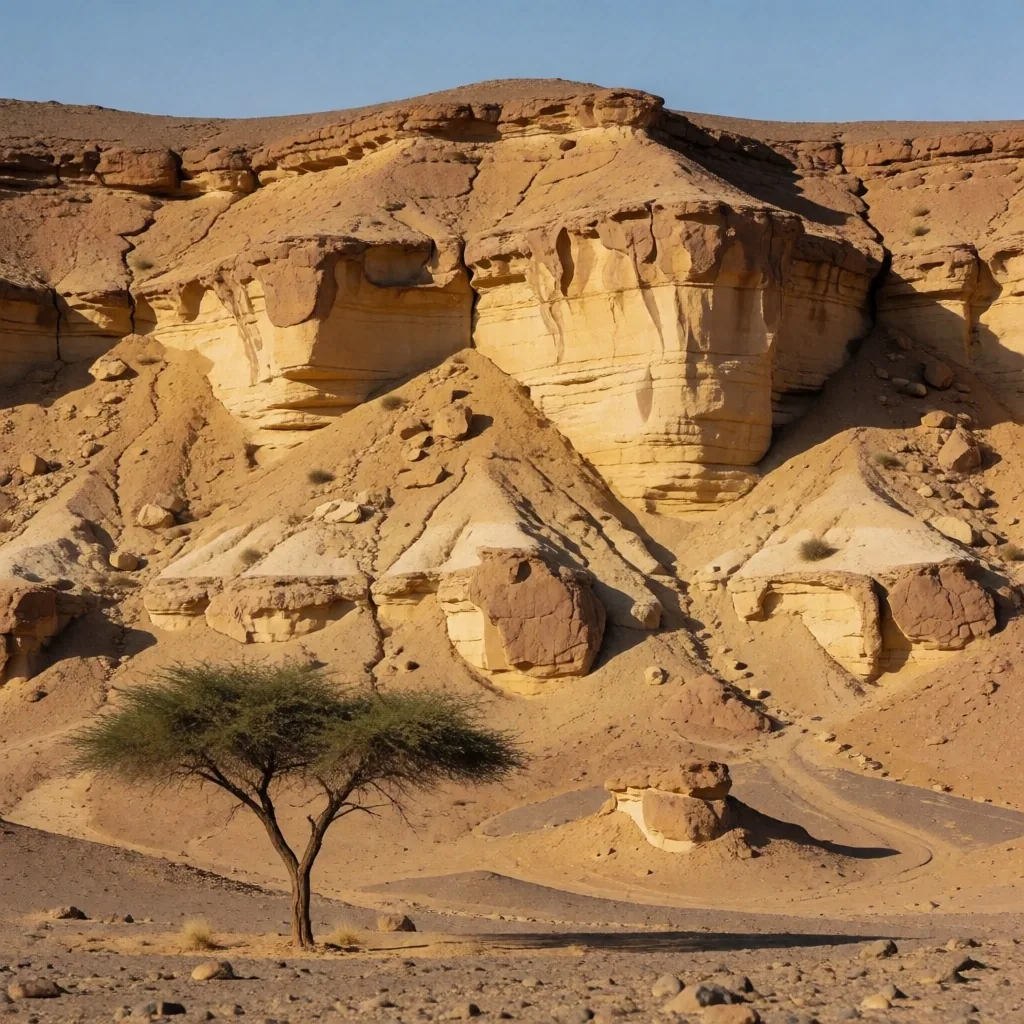
While many resources focus on urban centers and commercial attractions, we choose to highlight the ridges, valleys, and coastal zones. We believe that the true character of the land is found in its geography and ecology. By stripping away the commercial noise, we provide a space where the landscape takes center stage.
Our travel guides are built for those who find value in the silence of the desert and the rhythm of the river. A wind-carved sandstone arch, a wadi that holds water for only two weeks a year, a coastal cliff where migrating birds rest — these are the details we document. They do not appear on brochures, and they do not need a crowd to matter.
Data-Driven Content Creation
The information provided on this site is gathered through direct observation and the study of environmental data. We look at weather patterns, geological surveys, and botanical records to build a comprehensive picture of the region. This evidence-based approach ensures that our packing lists and safety warnings are grounded in reality.
When we note that a particular wadi reaches 42°C by midday in summer, or that flash rain can make a dry riverbed impassable within thirty minutes, those figures come from recorded data and field observation — not from assumption. We prioritize facts over flowery descriptions to give you the most practical tools possible.
Our egypt travelling guides draw on botanical records that list which plants flower in which month, geological surveys that map fault lines and rock strata, and weather logs that track wind direction across seasons. Together, these sources let us describe the environment with precision.
What We Study
-
Weather Patterns
Seasonal temperature ranges, wind shifts, and rainfall timing.
-
Geological Surveys
Rock composition, fault lines, and erosion patterns.
-
Botanical Records
Flowering seasons, native species, and invasive growth.
-
Direct Field Observation
Trail conditions, water availability, and terrain changes logged on site.
Promoting Responsible Exploration
A core part of our mission is to encourage ethical behavior in nature. We recognize that increased foot traffic can be detrimental to fragile ecosystems. Therefore, we integrate conservation principles into all our guides. We teach our readers how to observe wildlife without causing stress and how to traverse the terrain without leaving a permanent mark. Responsibility is a key theme in every article we publish.
That means we will sometimes tell you not to go somewhere. If a nesting season makes a coastal path disruptive to birds, we say so plainly. If a dune system is recovering from erosion, we suggest an alternative. The land does not exist for our convenience, and our guides reflect that belief.
Accessibility of Information
We believe that high-quality travel information should be available to everyone without a fee. Our platform is designed to be easy to navigate and fast to load, even on slower connections. We avoid intrusive elements and stay focused on delivering the text and insights you need. By keeping our site lightweight and focused, we ensure that a traveller into Egypt can access our guides when they need them most — even in a remote wadi with a weak signal.
Community-Focused Research
Although we are an independent team, we listen to the experiences of those who have spent time in the field. We aggregate observations from experienced walkers and nature enthusiasts to refine our advice. This collective knowledge helps us identify emerging issues, such as changes in trail conditions or seasonal shifts in weather. Our methodology is a blend of formal research and practical, hands-on experience.
Long-Term Vision
We aim to become the definitive resource for non-commercial exploration in the region. Our project is not a temporary endeavor but a long-term commitment to documenting the changing face of the landscape. As the environment shifts due to climate factors, we will update our insights to reflect the current reality. We are dedicated to being a reliable companion for your journeys for years to come.
A riverbank that supported certain grasses five years ago may now be bare. A ridge that once offered shade from a lone acacia may have lost it to drought. We track these changes because they matter — to the land itself, and to anyone who walks through it expecting what was there before.
The Philosophy of Slow Travel
We advocate for a slower, more deliberate pace of exploration. Rather than rushing from one point to another, we encourage visitors to spend time observing the interplay of light and shadow on the dunes. Our travel guides are designed to support this philosophy, providing the depth needed to appreciate the small details of the environment.
This approach leads to a more profound connection with the land and a more memorable experience. A single ridge, watched at dawn and again at noon, becomes two different places. The slow traveller sees both.
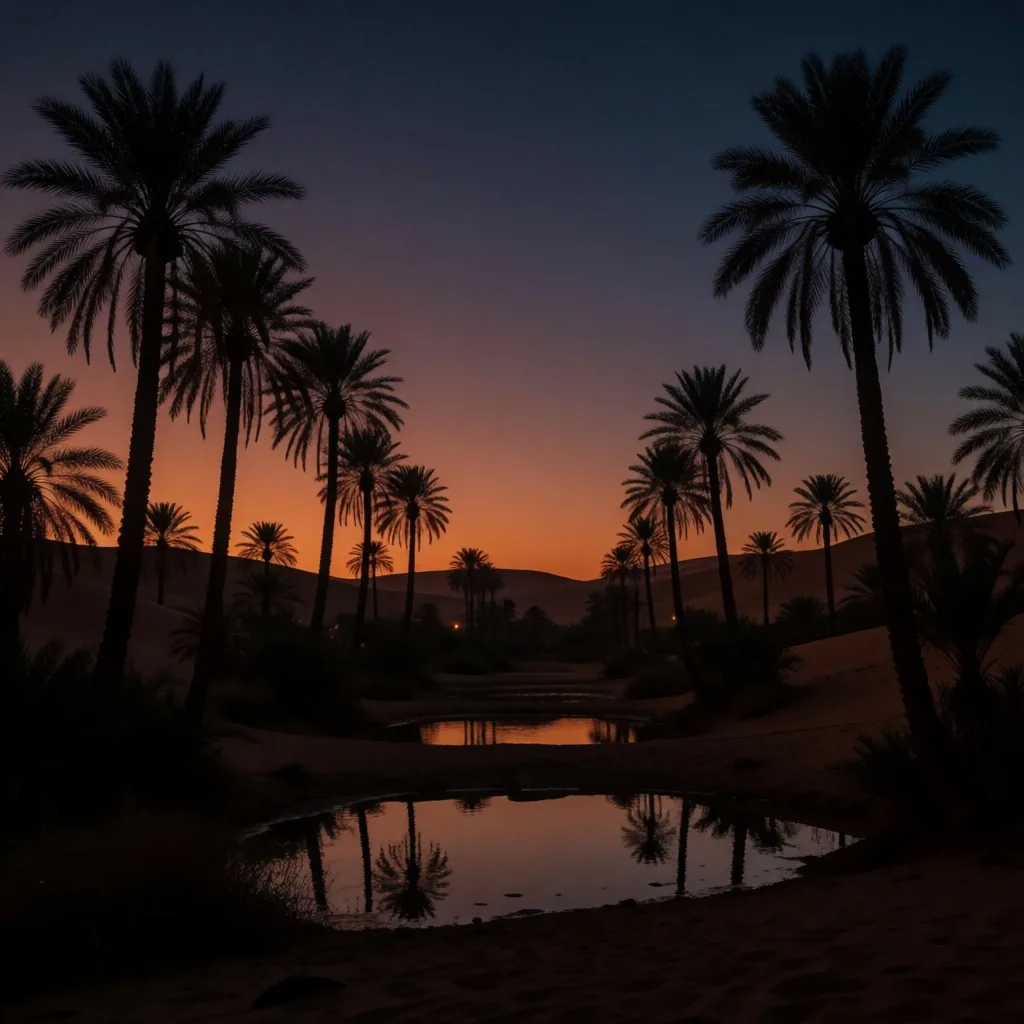
A reliable companion for your journeys, for years to come.
Frequently Asked Questions
Do you offer guided tours?
No, we are purely an information provider and do not offer any commercial services, bookings, or guided tours. Our role is limited to publishing factual guides and observations about the natural environment.
How can I contribute to the site?
We welcome observations from fellow travellers regarding trail conditions or environmental changes. You can reach out to us via our contact page to share your insights. Field notes about water availability, trail erosion, or seasonal wildlife are especially useful.
How We Build Our Guides
Read the full process behind our field research and data sources.
Resource Methodology →Explore the Landscape
Browse our observations on ridges, valleys, and coastal zones.
Regional Insights →What to Bring
Our packing lists are grounded in recorded conditions, not guesses.
Packing Essentials →