
Preparation for Diverse Terrains and Climates
Packing for a journey through these lands requires a strategic approach to both heat management and protection from the elements. A traveller into Egypt must be prepared for the intense radiation of the sun during the day and the surprising chill that can settle after dark.
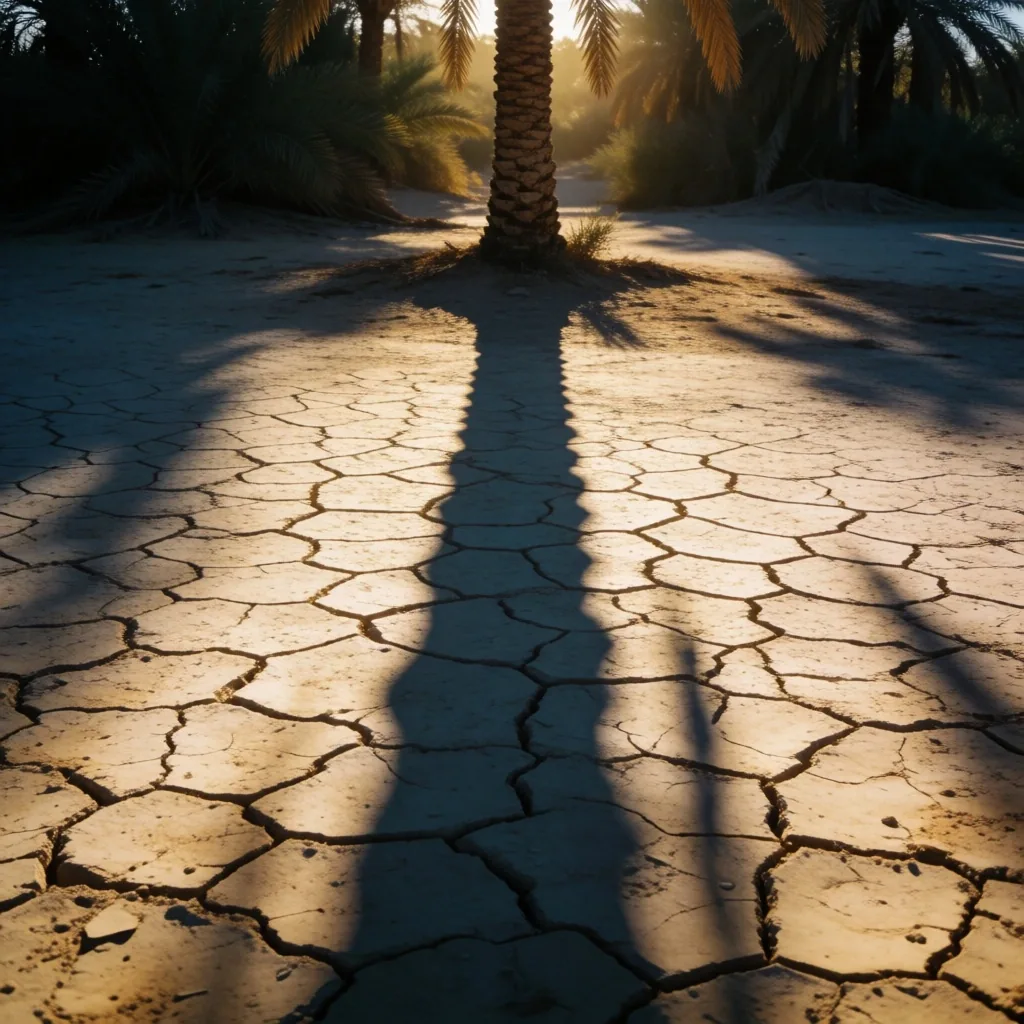
Terrain Range
Sandy, rocky, and humid surfaces
Climate Span
Intense daytime heat, cold nights
Focus
Breathable layers and protection
Section One
Clothing and Headgear for Sun Protection
The most effective way to manage the heat is to wear loose-fitting, light-colored clothing made from natural fibers like linen or cotton. These materials allow air to circulate around the body while reflecting the sun's rays.
Primary Fabrics
Linen, cotton
Fit Profile
Loose, full coverage
Full-Body Coverage
Long sleeves and trousers are recommended to protect the skin from UV exposure and abrasive sand. Avoiding synthetic fabrics that trap heat is essential for staying comfortable during long periods of outdoor activity.
Wide-Brim Hat
A wide-brimmed hat is an indispensable tool for any traveller into Egypt. It provides shade for the face, neck, and ears, significantly reducing the risk of heat exhaustion. Coupled with high-quality sunglasses that offer full UV protection, you can mitigate the glare from the bright limestone and sand.
Eye Protection
Sunglasses are not just accessories but vital pieces of safety equipment for the local environment. Choose lenses that block ultraviolet light completely, as the reflection off pale stone surfaces can strain unprotected eyes within minutes.
Section Two
Footwear for Varied Surfaces
The terrain dictates the type of footwear needed. The ground can become extremely hot, so soles should be thick enough to provide insulation.
Surface Type
Sandy Ground
Breathable sandals with secure straps are often sufficient for dune areas and soft approaches. Ensure straps are firm enough to prevent rubbing on loose inclines.
Surface Type
Rocky Ridges
For rocky ridges or mountain paths, sturdy boots with ankle support are a necessity. Loose stone shifts underfoot, and a twisted ankle far from shade is a serious setback.
Surface Type
Hot Pavement
Ground temperatures soar by midday. Soles should be thick enough to insulate against heat radiating up from stone and compacted sand. Break in all footwear well before arrival.
Section Three
Hydration and Storage
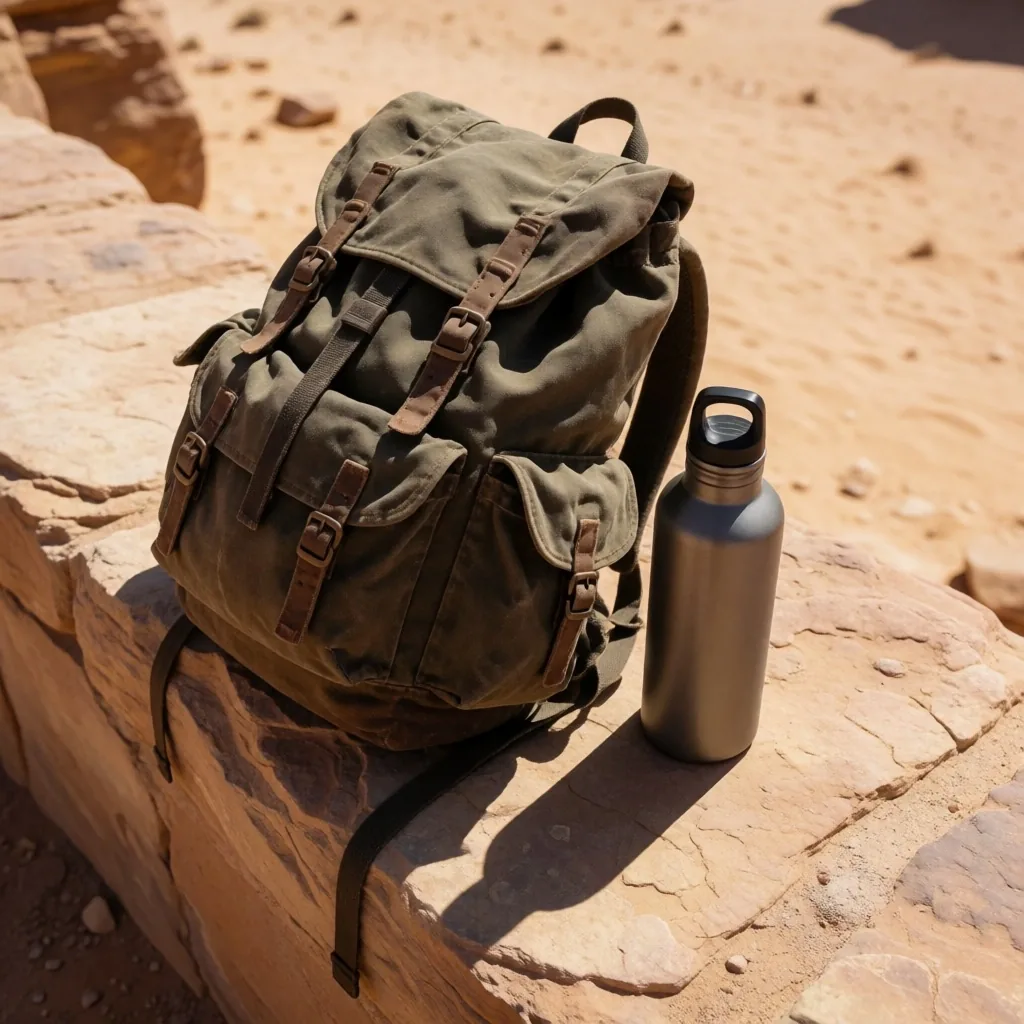
Maintaining fluid levels is the single most important factor for safety in an arid climate. Carrying a durable, insulated water container is mandatory for any excursion away from settled areas.
Section Four
Skin Care and First Aid
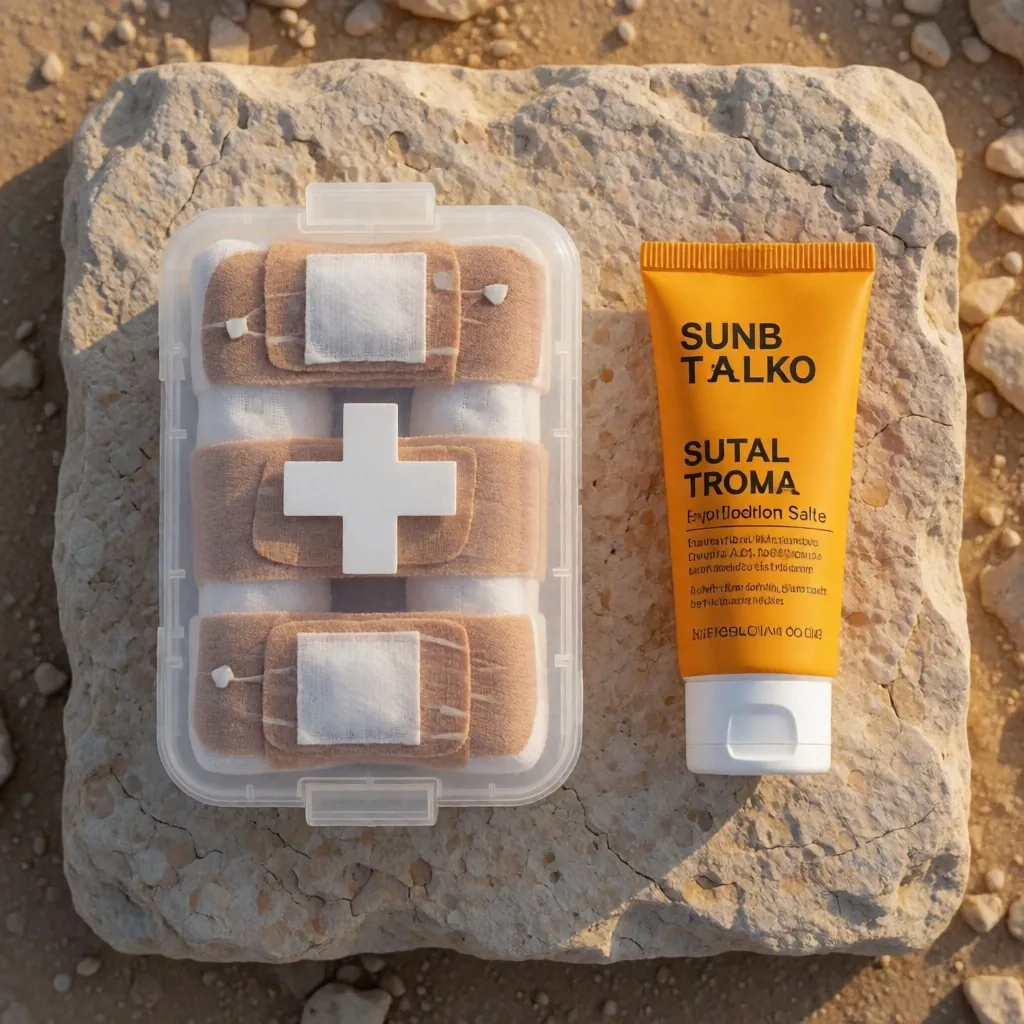
The dry air and constant sun can be harsh on the skin. High-factor sunblock should be applied regularly, even on overcast days, as UV levels remain high. Carrying a basic first aid kit with antiseptic wipes, bandages, and rehydration salts is a practical step for managing minor issues.
Basic Field Kit Contents
- High-factor sunblock, reapplied every few hours
- Antiseptic wipes and sterile bandages
- Rehydration salts for heat exposure
- Moisturizers and lip balms with sun protection
Field Note
Moisturizers and lip balms with sun protection help prevent discomfort from the low humidity found across open barrens and elevated plateaus.
Section Five
Layering for Temperature Drops
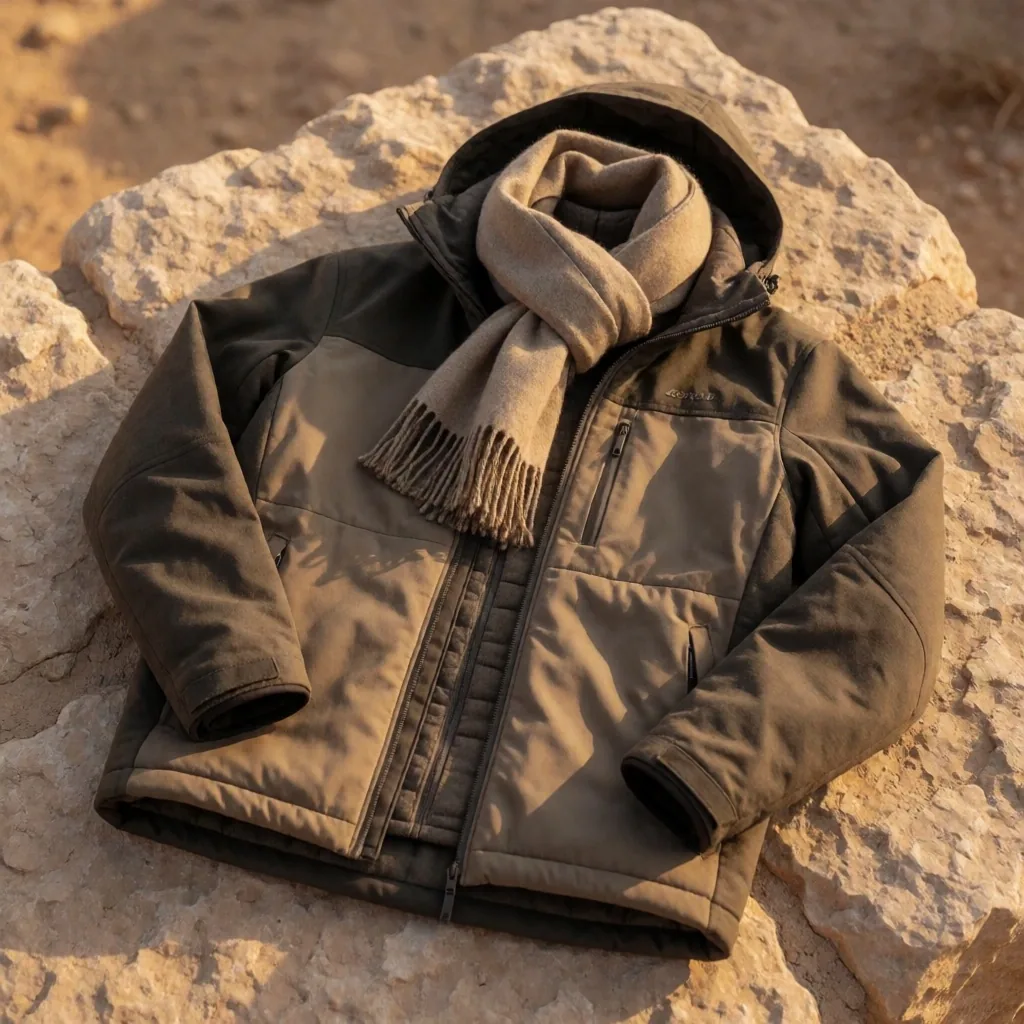
It is a common misconception that the desert is always hot. Once the sun disappears, temperatures can fall rapidly, particularly in the winter months or at higher elevations. A lightweight fleece or a windbreaker should be included in your day pack.
These layers provide necessary warmth during evening observations or early morning departures when the air is still crisp. The shift from daytime heat to nighttime cold can span thirty degrees or more, so pack for both ends of the spectrum.
Section Six
Tools for Orientation and Dust Protection
While modern devices are useful, physical tools remain reliable backups. The vastness of the landscape can sometimes interfere with electronic signals, and fine dust can penetrate bags and sensitive equipment.
Navigation Tools
A physical compass and a detailed topographical map are reliable backups for navigation. Carrying a small, high-intensity flashlight is also recommended for cases where exploration extends into the twilight hours.
- Physical compass with declination adjustment
- Detailed topographical map of the region
- High-intensity flashlight with spare batteries
Dust and Sand Defense
Using dry bags or simple zip-lock pouches to store electronics and important documents is a smart precaution. A lightweight scarf or shemagh can protect the face during sudden gusts of wind that kick up debris.
- Dry bags for electronics and documents
- Multi-purpose shemagh or scarf
- Microfiber cloth for lens cleaning
Quick Reference
Common Questions from Travellers
Are heavy coats necessary for the winter?
While a heavy coat is rarely needed, a thick sweater or a medium-weight jacket is highly recommended for late-night or early-morning activities during the cooler months. The drop in temperature after sunset can be sharp, especially in open areas away from built settlements.
What is the best fabric for humidity?
Thin cotton or moisture-wicking athletic fabrics are best for the humid coastal and delta regions to keep the skin dry. In these zones, air circulation matters more than insulation, so prioritize loose weaves and avoid heavy linen that traps moisture against the body.
How much water should I carry for a day excursion?
We recommend containers that can hold at least two liters of liquid and keep it cool for several hours. For longer walks or higher temperatures, increase that volume. A lightweight backpack with ventilated straps will make carrying these supplies more comfortable across uneven ground.
For broader guidance on navigating regional conditions, our travel guides cover terrain, climate shifts, and preparation across the area.
Continue Reading
More egypt travelling guides for the prepared visitor
Once your gear is sorted, understanding how to stay aware of your surroundings is the natural next step. Explore practical field guidance on safety practices and regional conditions.