

Our Approach to Research and Content Verification
The integrity of the Egyptian Journey Hub rests on our rigorous approach to gathering and verifying information. We understand that a traveller into Egypt relies on our guides for their safety and orientation, which is why we employ a multi-layered verification process. This page outlines the standards we use to ensure that every piece of advice is accurate, non-commercial, and relevant. By following a strict methodology, we maintain the high quality that our readers expect from an independent resource.
Section I
Three Standards Behind Every Guide
First-Hand Only
We prioritize current, first-hand accounts over outdated records. Contributors spend time in the locations we describe, documenting the terrain, the weather patterns, and the flora before a single sentence is written.
Commercial-Free
We actively filter out information tied to specific businesses or promotional agendas. No hotel names, no operator names, no commercial venues. The focus stays on the natural environment and the logistics of travel.
Multiple Reviewers
Every guide is read by several team members before publication. We check for clarity, accuracy, and adherence to editorial standards, and we look for potential biases or gaps that could mislead a reader in the field.
Section II — Primary Research
Direct Field Observation
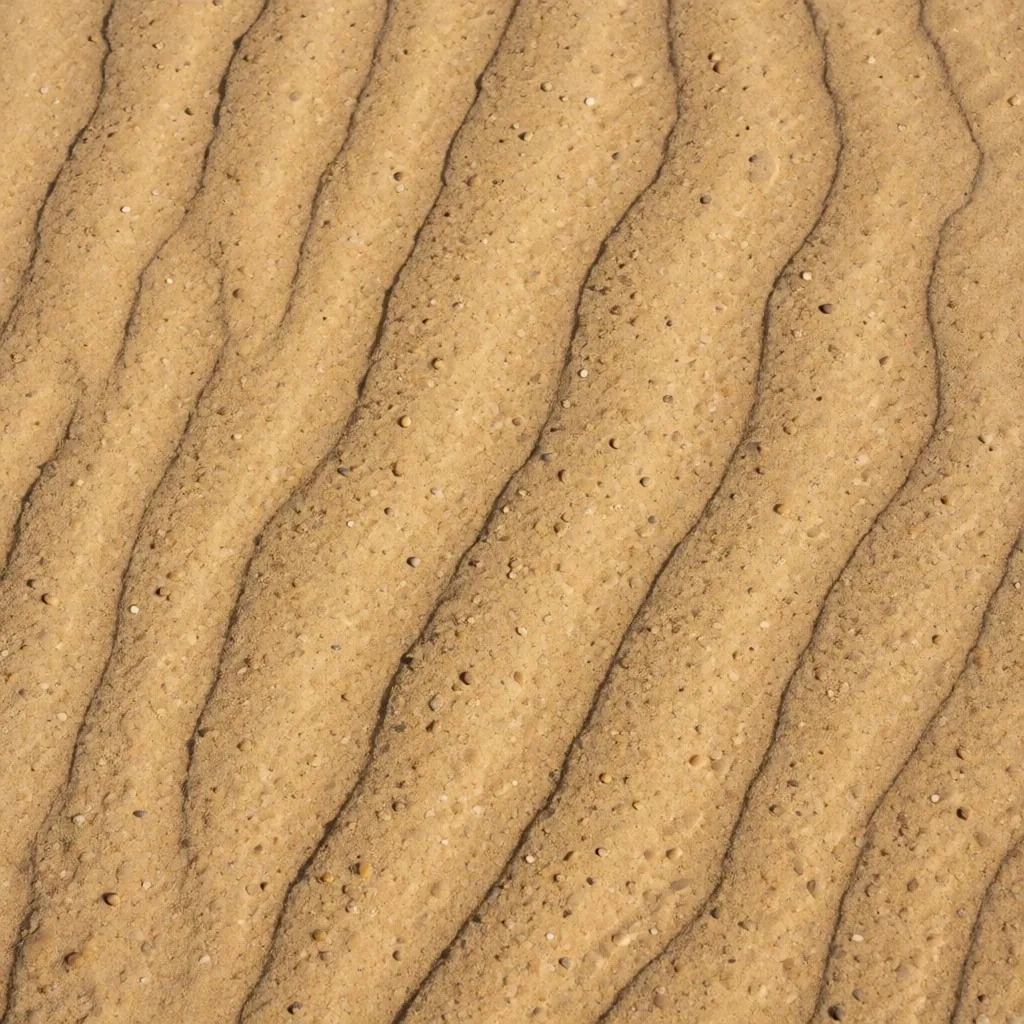
The core of our content comes from primary research conducted in the field. Our contributors spend time in the locations we describe, documenting the terrain, the weather patterns, and the flora. This hands-on approach allows us to capture details that are often missed by secondary sources, such as the specific texture of the sand in different valleys or the presence of seasonal water flows.
We prioritize current, first-hand accounts over outdated records. A road that existed last season may now be washed out. A spring that ran in March may be dry by October. Our egypt travelling guides reflect what a contributor actually saw and walked through, not what a cached source reported years ago.
Section III — Data Synthesis
Use of Geographical Data
We supplement our field observations with data from geological and meteorological organizations. By analyzing satellite imagery and historical weather trends, we can provide a more comprehensive view of the landscape's evolution. This data helps us predict seasonal shifts and identify potential hazards like areas prone to erosion or flash flooding.
Our egypt travelling guides are a synthesis of physical experience and scientific data. A contributor notes the ground truth; the data provides the pattern. Together they produce a more reliable picture than either could alone.
Data Sources We Draw From
- Geological Satellite imagery and terrain surveys showing erosion patterns, rock composition, and seasonal ground changes.
- Meteorological Historical weather records and seasonal trend analysis to anticipate temperature swings and storm timing.
- Contemporary climate studies that track longer-term environmental shifts across the region.
- Historical Historical maps and surveys that show how trails, water sources, and access routes have shifted over time.
Section IV
Non-Commercial Filtering
One of our strictest rules is the exclusion of commercial influence. During the research phase, we actively filter out information that is tied to specific businesses or promotional agendas. We do not list names of hotels, tour operators, or commercial venues.
This ensures that the focus remains entirely on the natural environment and the logistics of travel, rather than on spending money. A traveller into Egypt should find orientation here, not a sales pitch.
If a contributor cannot describe a location without referencing a commercial entity, the entry is rewritten or removed. The test is simple: does the information stand on its own as environmental and logistical fact?
Section V
Collaborative Review Process
Before any guide is published, it undergoes a review by multiple members of our team. This process checks for clarity, accuracy, and adherence to our editorial standards. We look for potential biases or gaps in the information that could lead to confusion.
By having multiple sets of eyes on every article, we reduce the risk of error and ensure a consistent voice across the platform. A contributor who has walked a route once may miss a detail that a second reviewer catches.
Each review pass covers three areas: factual accuracy against field notes, clarity of language for a non-specialist reader, and absence of commercial language. An entry passes only when all three are satisfied.
Section VI
Continuous Content Updates
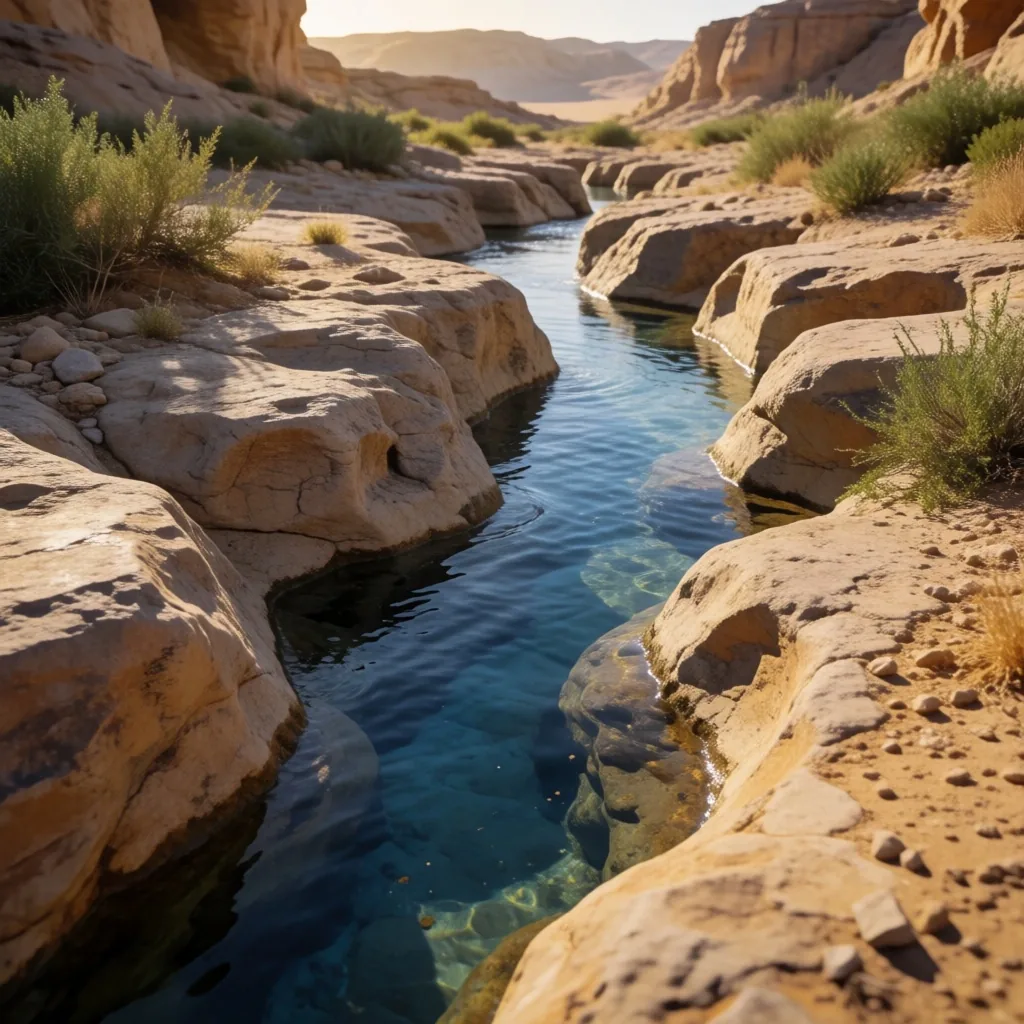
The natural world is not static, and neither is our content. We have a scheduled review cycle for every page on this site to ensure that the information remains current. If a major environmental event occurs — a significant storm, a change in land access, a shifted water source — we update our guides immediately.
Sections VII & VIII
Species Verification and Practical Utility
Botanical and Zoological Verification
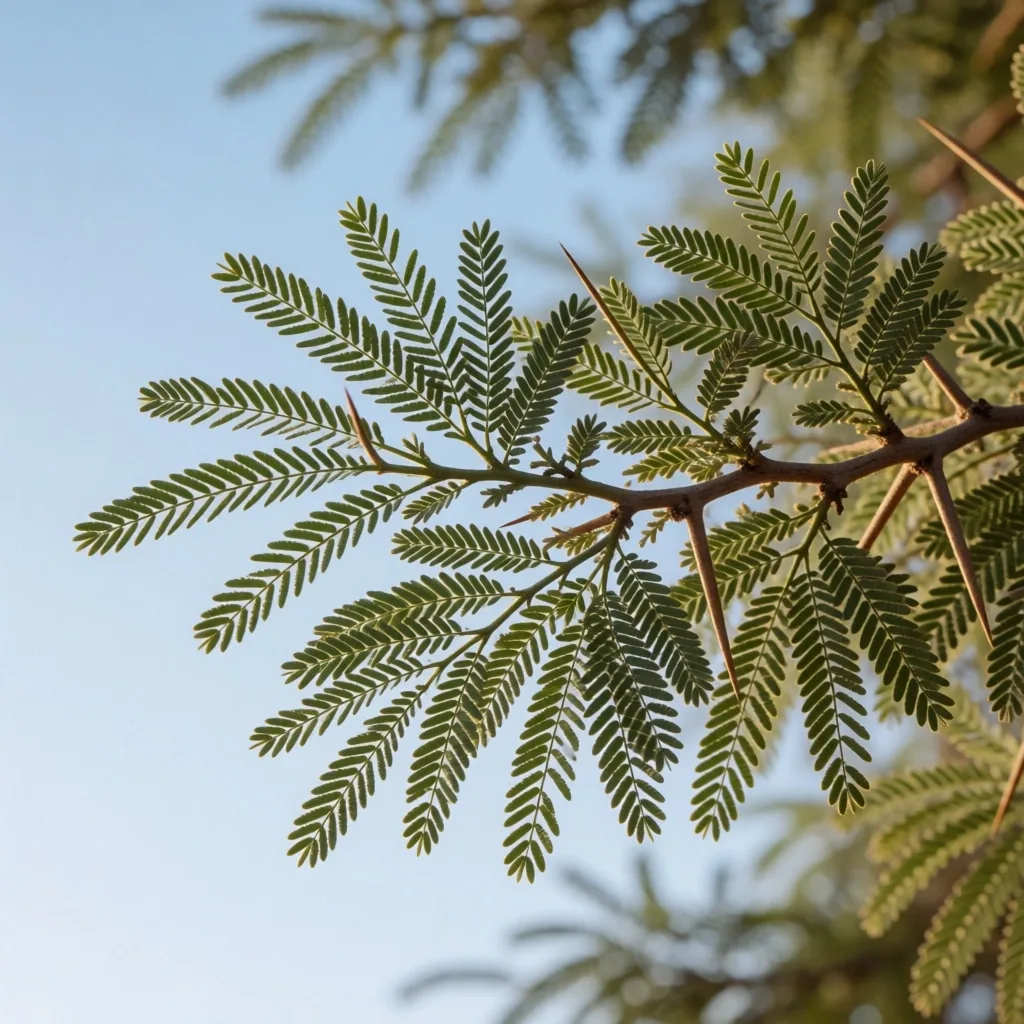
For our sections on local wildlife and plants, we consult with specialists to ensure correct identification. We use standardized naming conventions — without official branded names — to describe the characteristics of various species. This accuracy matters for those who use our guides for nature study or as part of their environmental awareness.
A misidentified plant can lead to real harm in the field. Our verification process cross-references field photographs with specialist input before any species description is published.
Focus on Practical Utility
Our final check for every piece of content is its utility. We ask: does this information help a traveller stay safe and informed? If a section is purely decorative or does not add practical value, it is removed. This lean approach to content creation ensures that our readers can find the most important facts quickly and easily.
Travel guides should serve the reader standing in the landscape, not the reader browsing from a couch. Every paragraph earns its place by answering a real question someone might have on the ground.
Section IX
Transparency in Sourcing
We believe in being open about where our information comes from. While we do not use official branded names for locations, we describe our sources' nature — whether they are local environmental reports, historical maps, or contemporary climate studies. This transparency allows our readers to trust the foundations of our advice and understand the context of our findings.
When a guide draws on a specific type of source, we say so within the text. A note about rainfall patterns will reference meteorological records. A note about trail conditions will reference a recent field visit. A note about plant species will reference specialist consultation. The reader should never have to guess what kind of evidence sits behind a claim.
Source Types We Reference
- Local environmental reports describing current ground conditions
- Historical maps showing how routes and water sources have shifted
- Contemporary climate studies tracking longer-term environmental patterns
- Direct field observation by contributors who visited the location
- Specialist consultation for species identification and ecological context
Continue Reading
Explore the guides built on this methodology
Every page on this site follows the research and review process described above. If you want to see the results in practice, the regional insights and safety pages are good places to start.